UK local elections: results and impact on sterling
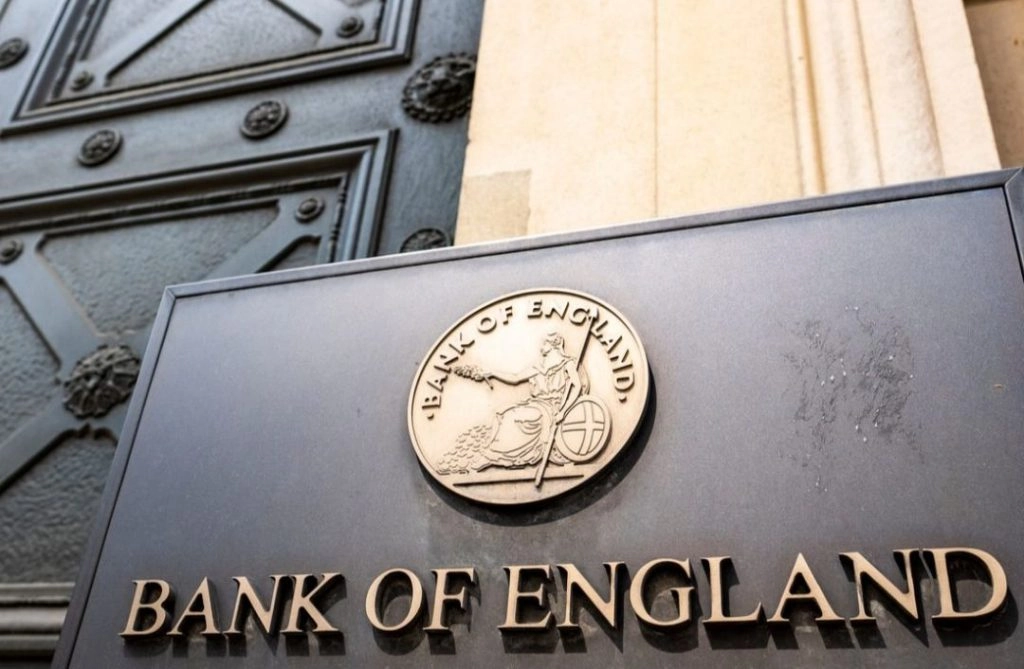
Although the UK will have to wait until next week to learn the Bank of England’s decision and whether it will choose to follow in the footsteps of its peers, the Federal Reserve and the European Central Bank, today’s most important news is expected to be the results of the UK local elections held yesterday.
The results known so far appear to confirm what many had anticipated: losses for the Conservative Party, currently in government, and gains for both the Labour Party and the Liberal Democrats.
This pattern is not surprising, given the wide lead currently held by the Labour Party in public opinion polls. However, attention will be focused on the extent to which that lead translates into success at the ballot box, something that should become clearer throughout the day.
Unless unexpected results emerge during the vote count, sterling appears to be benefiting from a period of relative calm in the UK news and data landscape.
Sterling has risen against the euro and the dollar in early trading, as markets continue to absorb another round of monetary policy tightening. However, whether this trend continues will depend on how markets interpret next week’s Bank of England rate decision.
With a significant gap between market and economist expectations, there is still a risk of a sharp fall in sterling following the decision, which could create instability in the markets.
ECB monetary policy decision: market scepticism and communication challenges

As for the European Union, following the Federal Reserve’s rate hike on Wednesday, Thursday’s key news came from across the Atlantic, when it was the European Central Bank’s turn to announce its monetary policy decision.
In line with expectations from both economists and the market, the ECB reduced the size of its rate increases and decided to raise rates by 25 basis points.
Although this decision did not surprise markets, the euro fell by around seven-tenths against the dollar between the initial announcement and the end of President Christine Lagarde’s press conference. Since then, it has recovered part of those losses.
This decline reflects market scepticism toward Lagarde’s message, in which she suggested that the ECB still had “more ground to cover” in tackling inflation. As a result, expectations for the ECB’s terminal rate fell by more than 10 basis points.
This recent development highlights the communication challenges the ECB is likely to face in guiding markets over the coming months, as it approaches the final stage of the monetary tightening cycle.
In our view, the ECB is likely to raise rates several more times, with a terminal rate of 3.75% as the most likely scenario. Assuming ECB policymakers share this view, their communications in the coming days are likely to align with that direction, which we expect to provide support for the euro in the coming weeks.
Falling bank stocks and profitability concerns in the United States

As for the United States, a significant part of yesterday’s session was focused on digesting the Federal Open Market Committee’s latest monetary policy rate announcement, known as the FOMC.
While the initial reaction in currency markets to Wednesday’s decision was relatively muted, the same cannot be said for regional bank stocks, some of which recorded sharp declines in after-hours trading.
This downward trend continued during yesterday’s session. In particular, PacWest and Western Alliance suffered significant losses, raising concerns over whether another bank may need to be resolved before markets reopen on Monday.
Worryingly, these declines occurred despite a broad consensus that the Federal Reserve is likely to pause rate hikes in June. This suggests that additional pressure on these banks is unlikely to come from further monetary policy tightening.
More importantly from a currency market perspective, the focus appears to be shifting away from concerns about deposit outflows and toward worries about the long-term profitability of the business models used by many regional banks in the United States.
The FOMC’s current policy rate stands between 5.00% and 5.25%, and is expected to remain at that level for some time. With persistent concerns about financial stability and the resulting tightening of credit conditions, today’s labour market data should provide a clearer signal.